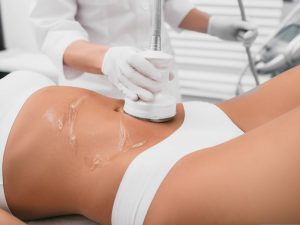
As we age, our skin begins to lose its youthful firmness and elasticity, this is a process known as skin laxity. This natural occurrence is a major contributor to the formation of wrinkles, fine lines, and sagging skin, especially around the jawline, neck, and eyes. But what causes skin laxity, and how can we take steps to prevent it? Understanding the causes of skin laxity and making certain lifestyle changes can go a long way in maintaining healthy, youthful-looking skin.
What Is Skin Laxity?
Skin laxity refers to the gradual loosening or sagging of the skin due to a loss of collagen, elastin, and hyaluronic acid—three key components responsible for keeping our skin firm, plump, and smooth. Collagen gives the skin its structure, while elastin allows it to stretch and snap back into place. As these vital proteins diminish, the skin starts to droop and lose its resilience, leading to a saggy, tired appearance.
What Causes Skin Laxity?
Several factors contribute to the development of skin laxity, many of which are part of the natural aging process. However, some external influences can accelerate the onset of sagging skin:
- Ageing
As we age, our bodies naturally produce less collagen and elastin. By the time we reach our 30s and 40s, collagen production starts to slow significantly, and the skin begins to lose its ability to bounce back. This results in looser, thinner skin that becomes more prone to sagging. - Collagen and Elastin Loss
Collagen and elastin are the building blocks of firm, youthful skin. Over time, the body’s ability to replenish these proteins declines, which is why we often see sagging skin in areas like the face, neck, and arms. Without sufficient collagen and elastin, the skin loses its strength and elasticity. - Environmental Factors
Exposure to the sun’s harmful UV rays, pollution, and other environmental stressors can cause damage to the skin at a cellular level, breaking down collagen and elastin fibers. Prolonged sun exposure, in particular, accelerates the skin’s aging process—a phenomenon known as photoaging. - Lifestyle Choices
Certain lifestyle factors, such as smoking, excessive alcohol consumption, and poor nutrition, can contribute to the breakdown of collagen and elastin. Smoking, for example, decreases blood flow to the skin, depriving it of oxygen and nutrients needed for regeneration. - Rapid Weight Loss
When the skin is stretched due to weight gain, it can lose its ability to snap back into place after rapid weight loss. This often leads to sagging or loose skin, particularly in areas like the face, arms, and abdomen.
How to Prevent Skin Laxity
While we can’t stop the natural aging process, there are steps we can take to slow down the onset of skin laxity and maintain a firm, youthful complexion. Here are some skincare tips and lifestyle changes that can help:
- Protect Your Skin from the Sun
One of the most effective ways to prevent skin laxity is to shield your skin from the sun’s harmful UV rays. Make it a habit to apply a broad-spectrum sunscreen with an SPF of at least 30, even on cloudy days. Wearing hats and seeking shade during peak sun hours can also help minimise sun damage and preserve your skin’s elasticity. - Follow a Collagen-Boosting Skincare Routine
Incorporate products into your skincare routine that promote collagen production, such as retinoids (vitamin A derivatives), peptides, and antioxidants like vitamin C. These ingredients work by encouraging the skin to regenerate, improving firmness and reducing the appearance of fine lines.
- Stay Hydrated
Hydration is key to maintaining plump, healthy skin. Drinking plenty of water and using hydrating skincare products containing ingredients like hyaluronic acid can help prevent the skin from becoming dry and lax. Well-hydrated skin is more resilient and less prone to sagging.
- Maintain a Balanced Diet
A diet rich in antioxidants, vitamins, and healthy fats can help support the skin’s natural repair processes. Foods like leafy greens, berries, nuts, and fish are packed with nutrients that promote collagen synthesis and protect against environmental damage. Avoid excessive sugar intake, as it can contribute to glycation—a process that weakens collagen fibers.
- Exercise Regularly
Staying active can promote healthy blood circulation, which delivers oxygen and nutrients to the skin. Exercises that involve weight training can also help tone muscles, particularly in areas like the arms and face, reducing the appearance of sagging skin.
- Avoid Smoking
Smoking is one of the most damaging habits for your skin. The toxins in cigarette smoke can lead to the breakdown of collagen and elastin, contributing to skin laxity and premature wrinkles. Quitting smoking can improve your skin’s overall health and help prevent further damage.
Professional Solutions for Skin Laxity
While lifestyle changes and a good skincare routine can help slow the progression of skin laxity, professional treatments may be necessary for those looking for more immediate results. For individuals seeking non-invasive ways to tighten and firm their skin, treatments like HIFU facelifts and 3D Dermaforce Radio Frequency Microneedling offer effective solutions.
HIFU (High-Intensity Focused Ultrasound)
HIFU is a non-invasive treatment that uses ultrasound energy to target the deeper layers of the skin, stimulating collagen production and providing a lift to sagging areas like the jawline and neck. This non-surgical jowl lift is ideal for those looking to combat skin laxity without undergoing surgery. Results are long-lasting, with improvements continuing over several months as the skin produces new collagen.
3D Dermaforce Radio Frequency Microneedling
Combining the power of radiofrequency with microneedling, this treatment works by delivering heat energy to the skin’s deeper layers, encouraging collagen and elastin production. It is especially effective for improving skin texture, reducing fine lines, and lifting sagging skin in areas prone to skin laxity.
Take Steps Towards Preventing Skin Laxity Today...
By understanding the causes of skin laxity—from collagen loss to environmental damage—and taking proactive steps to care for your skin, you can prevent or slow down the effects of sagging. Whether through daily skincare, healthy habits, or non-invasive treatments like HIFU and 3D Dermaforce, there are ways to keep your skin looking firm, lifted, and radiant as you age.
If you’re concerned about skin laxity, please get in touch with us today; we can tailor a treatment to meet your specific needs and help you achieve the smooth, lifted, and youthful skin that you desire.